Clear Skin Basics: A Simple Routine for Real Result
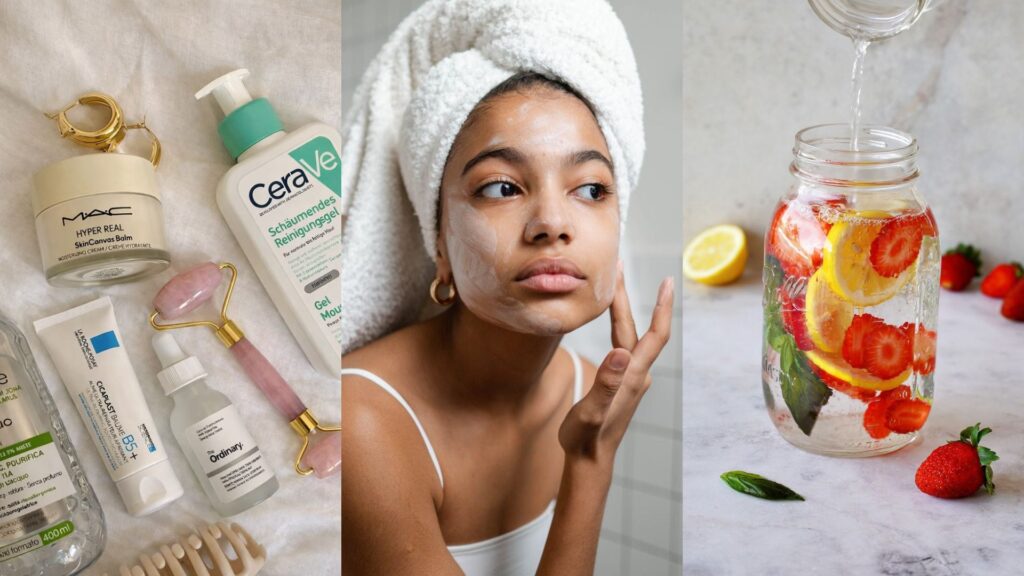
Clear skin doesn’t usually come from complicated routines or constantly trying new products. More often, it comes down to a few steady habits done well over time. When you understand what your skin actually needs and keep things simple, it becomes easier to see real changes without feeling overwhelmed.
This guide goes back to the basics, focusing on everyday steps like cleansing properly, keeping your skin hydrated, and choosing products that suit your skin type instead of what’s trending. It also looks at small lifestyle factors like sleep and diet, which can quietly affect how your skin behaves.
There’s no need for a long list of steps or expensive routines. The aim here is a simple approach you can realistically stick to, so your skin has the chance to improve naturally and consistently over time.
1. Cleanse your skin twice a day
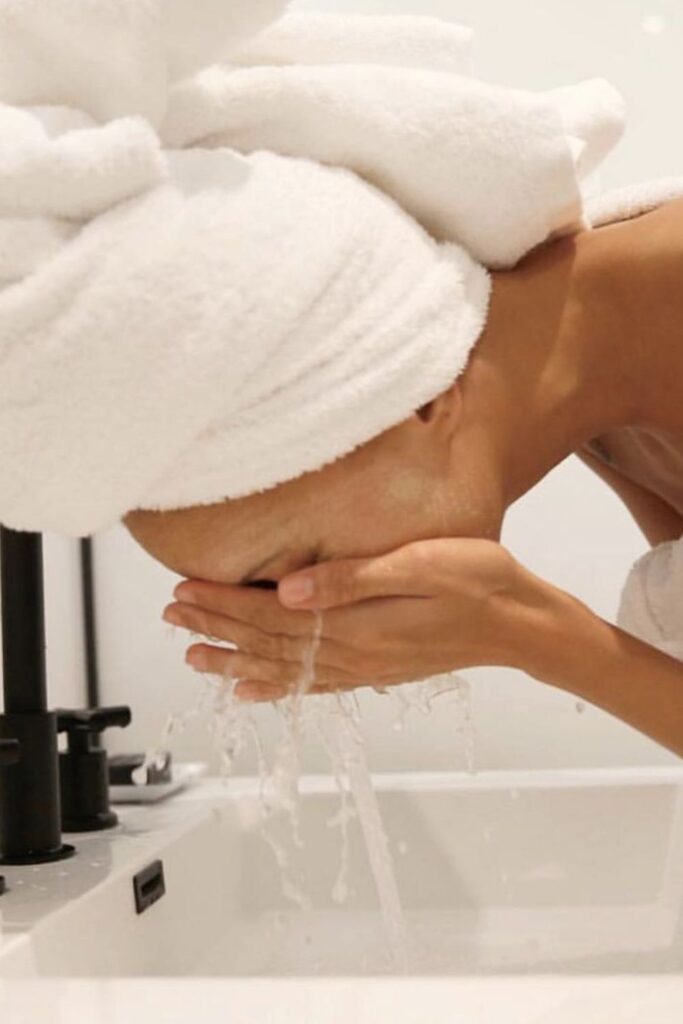
Wash your face in the morning and evening with a gentle cleanser that suits your skin type. This removes sweat, oil, pollution, and leftover products without disrupting your skin barrier. Over-washing or using harsh cleansers can lead to dryness and irritation, which may actually trigger more breakouts.
2. Moisturize every day
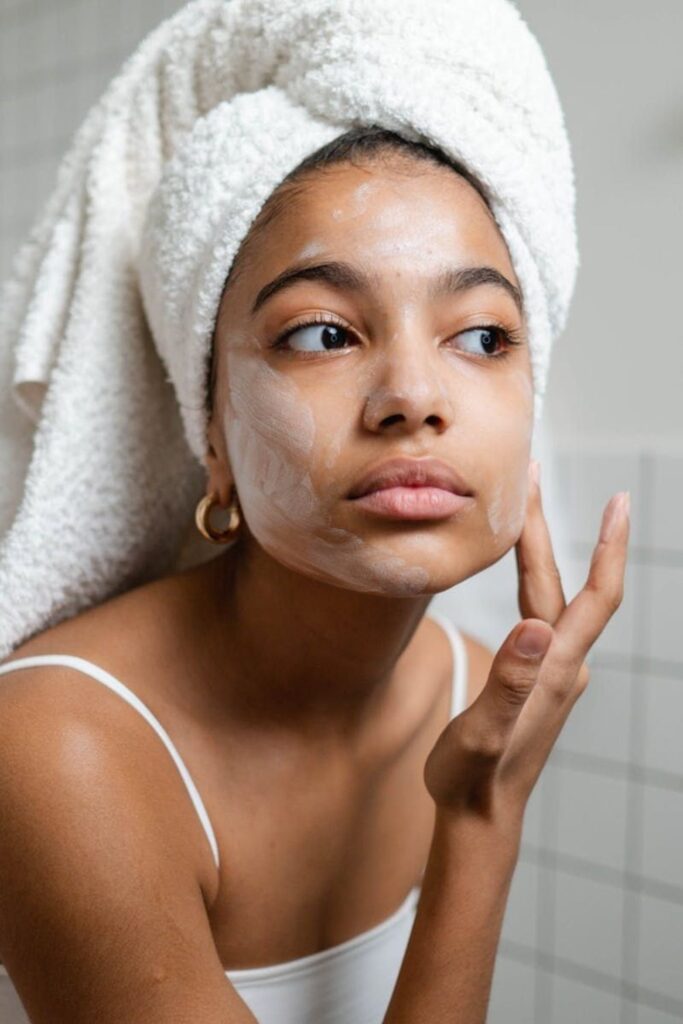
A moisturiser helps keep your skin balanced and supports a healthy skin barrier. Even if you have oily or combination skin, skipping this step can cause dehydration, which may lead your skin to produce more oil. Choose a lightweight or richer formula depending on your skin’s needs.
3. Wear sunscreen daily
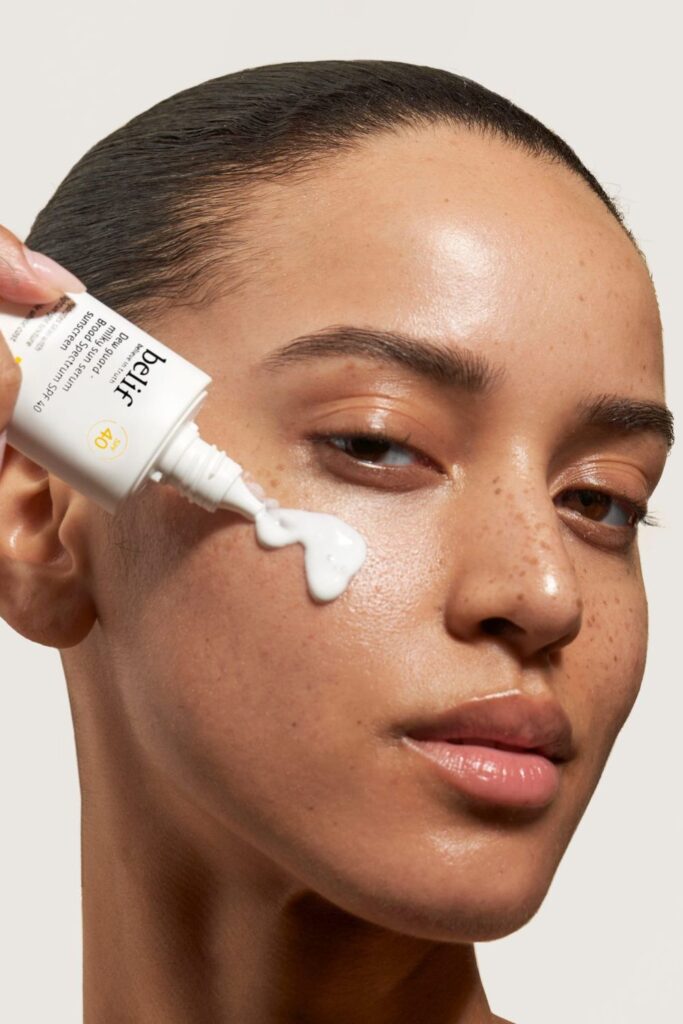
Sunscreen protects your skin from UV damage that can cause dark spots, uneven tone, and early ageing. It should be applied every morning as the final step in your routine, even on cloudy days or when you’re mostly indoors near natural light. Reapplying during long outdoor hours also helps maintain protection.
4. Avoid touching your face
Your hands carry bacteria, oil, and dirt from everyday surfaces. Touching your face frequently can transfer these onto your skin and clog pores, and picking or popping pimples especially with unwashed hands which can push bacteria deeper into the skin, increase inflammation, and lead to scarring or dark marks that take longer to fade. Being mindful of habits like resting your face on your hand or interfering with blemishes helps your skin heal more effectively and reduces unnecessary breakouts.
5. Keep your skincare routine simple
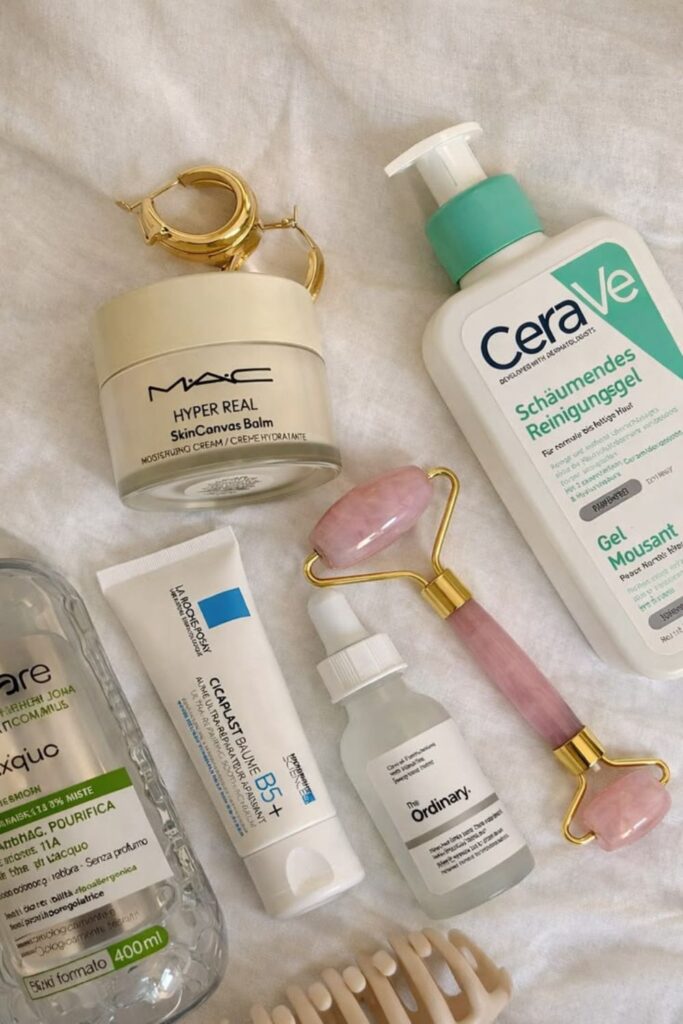
Using too many products at once can overwhelm your skin and make it harder to identify what works. A basic routine with a cleanser, moisturizer, and sunscreen is often more effective than layering multiple treatments. Consistency is more important than complexity when it comes to results.
6. Change pillowcases regularly
Pillowcases absorb oil, sweat, hair products, and skincare residue over time. Sleeping on the same one for too long can reintroduce buildup to your skin night after night. Washing pillowcases at least once a week helps keep your sleeping environment cleaner and more skin-friendly.
7. Stay hydrated

I know you have probably heard this before but drinking enough water supports your skin’s natural processes and helps maintain overall balance. While it won’t clear skin overnight, proper hydration can contribute to a healthier appearance over time. It also supports digestion and circulation, which both indirectly affect skin health.Add a few fresh fruits or mint leaves to make drinking water more enjoyable. It’s a simple habit that helps you stay consistent with your water intake and supports your skin over time without any extra effort.
8. Maintain a balanced diet

What you eat can influence how your skin behaves. Diets high in sugar, processed foods, and unhealthy fats may contribute to breakouts for some people. Including more whole foods like vegetables, fruit, healthy fats, and protein can support clearer, more stable skin over time.
9. Get enough quality sleep

Sleep is when your skin repairs and regenerates. Not getting enough rest can lead to dullness, puffiness, and more visible breakouts. Aim for consistent sleep patterns, as irregular rest can also affect hormone levels that play a role in skin health.
10. Manage stress levels
Stress can trigger hormonal changes that may lead to breakouts or sensitivity. Long periods of stress can also slow down skin recovery. Incorporating simple habits like walking, journaling, exercise, or downtime without screens can help keep stress more manageable and support clearer skin.


You May Also Like

How To Achieve The Clean Girl Look: A Beginner’s Guide

24 Stunning Hairstyles to Try in 2026