12 Plants That Actually Repel Mosquitoes (Naturally)
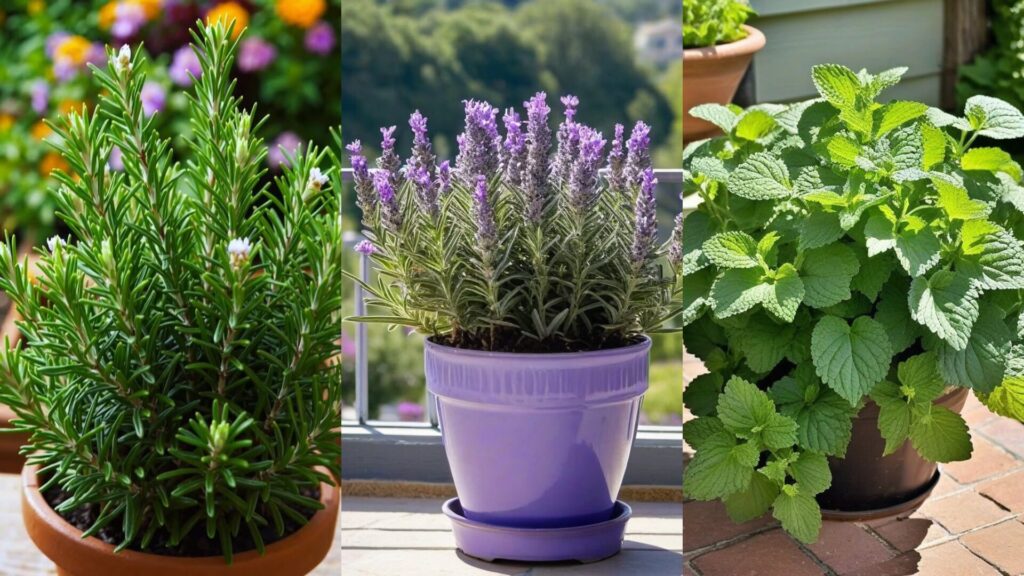
Tired of spraying chemicals every time you step outside or leaving the windows open only to invite mosquitoes in? A simpler solution might be right in front of you—plants. Certain plants don’t just sit there looking pretty, they naturally give off scents that mosquitoes tend to avoid. That means you can create a fresher, greener space while also making it less welcoming for pests.
From patios to bedrooms and even small balcony gardens, the right greenery works quietly for you. In this post, I list 12 plants that help repel mosquitoes and other insects naturally. You will be able to enjoy your space with fewer bites, less irritation, and a lot more peace.
1. Lavender
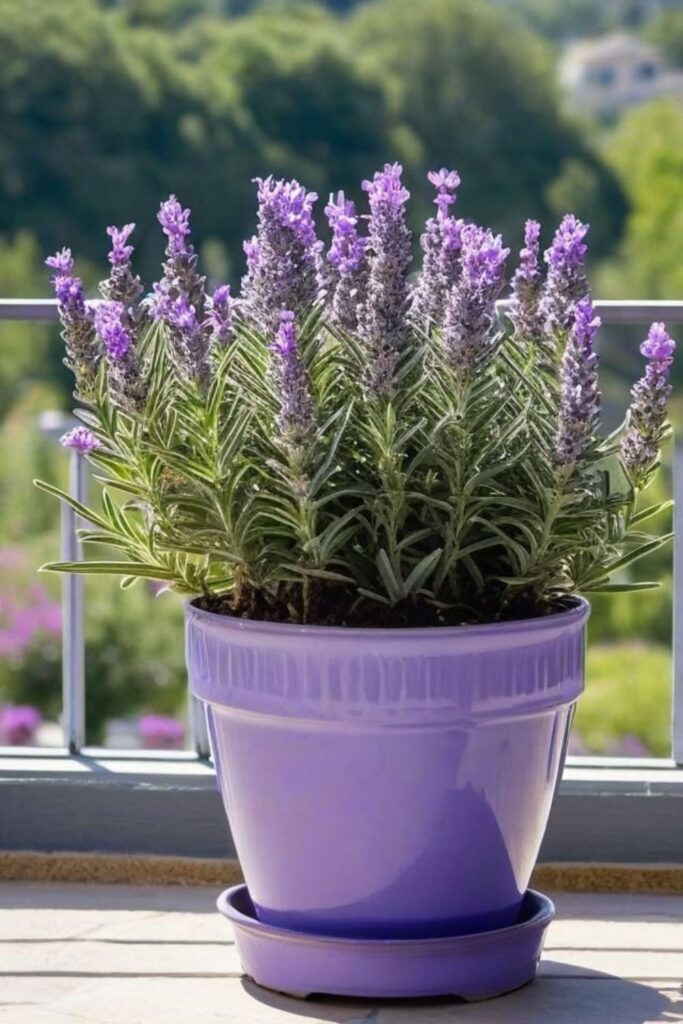
Lavender is loved for its calming fragrance, but mosquitoes strongly dislike its natural oils like linalool. Place lavender in sunny spots near windows or outdoor areas. It adds beauty and helps create a less inviting space for mosquitoes and other flying insects.
It grows best in sunny, dry areas such as balconies, windowsills, or garden borders. Store lavender in a well-ventilated, dry place with good airflow. This helps prevent root rot, especially when you keep it in pots indoors during winter.
2. Rosemary
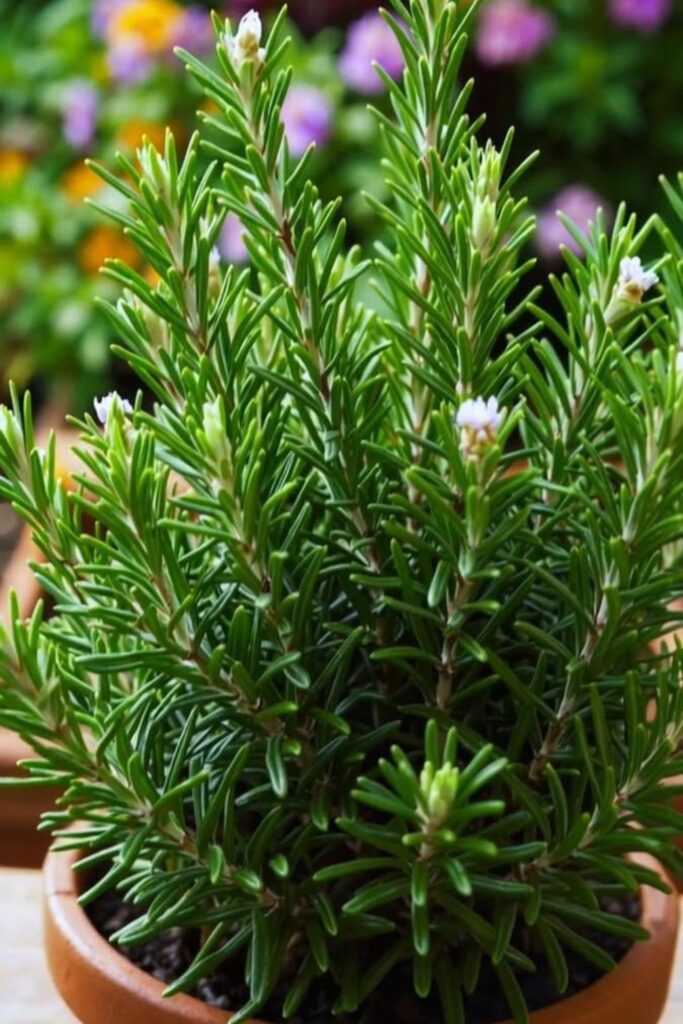
Rosemary gives off a woody, aromatic scent that mosquitoes tend to avoid. Its essential oils become even more effective when the leaves are gently crushed or burned, making it a great dual-purpose plant for cooking and outdoor pest control around garden spaces and patios.
Keep rosemary in a sunny spot with well-drained soil, preferably outdoors or in a kitchen herb garden. It should be stored in a dry, warm area and brought indoors during very cold weather to prevent frost damage.
3. Citronella Grass
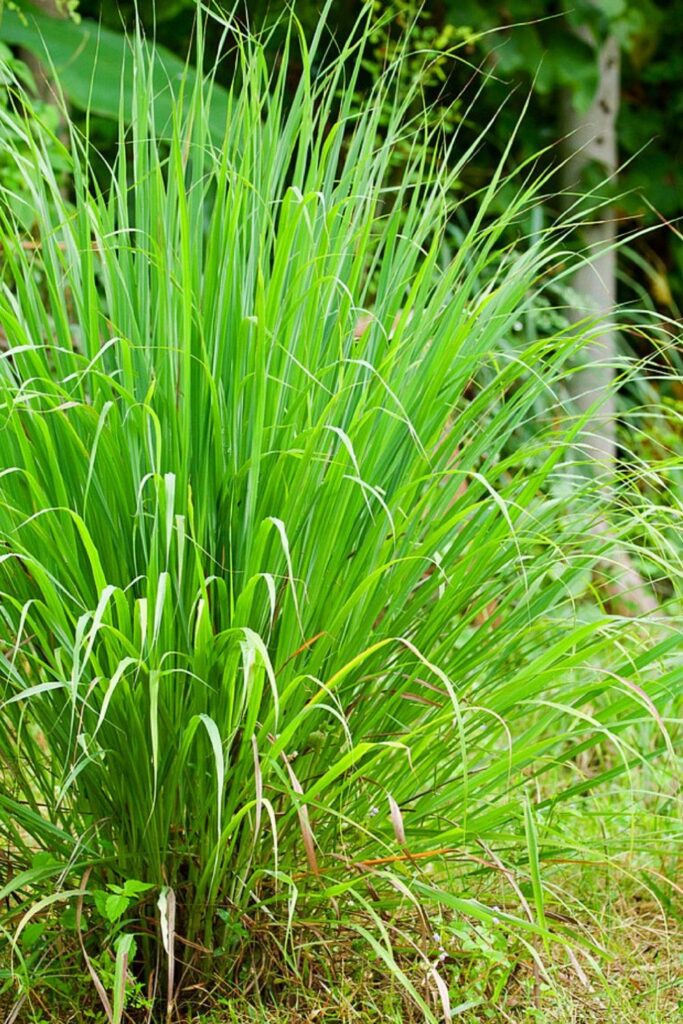
Known as one of the most popular natural mosquito deterrents, citronella grass releases a strong citrus scent that helps mask human odors mosquitoes are attracted to. It’s commonly used in candles and oils, but the live plant works best when placed near doorways, patios, or outdoor seating areas to help reduce mosquito activity nearby.
Best place to keep it is outdoors in large pots or directly in the ground where it gets full sun. It should be stored in a warm area and protected from frost or cold temperatures, as it does not do well in cold environments. If grown in pots, it can be moved indoors during colder months.
4. Basil
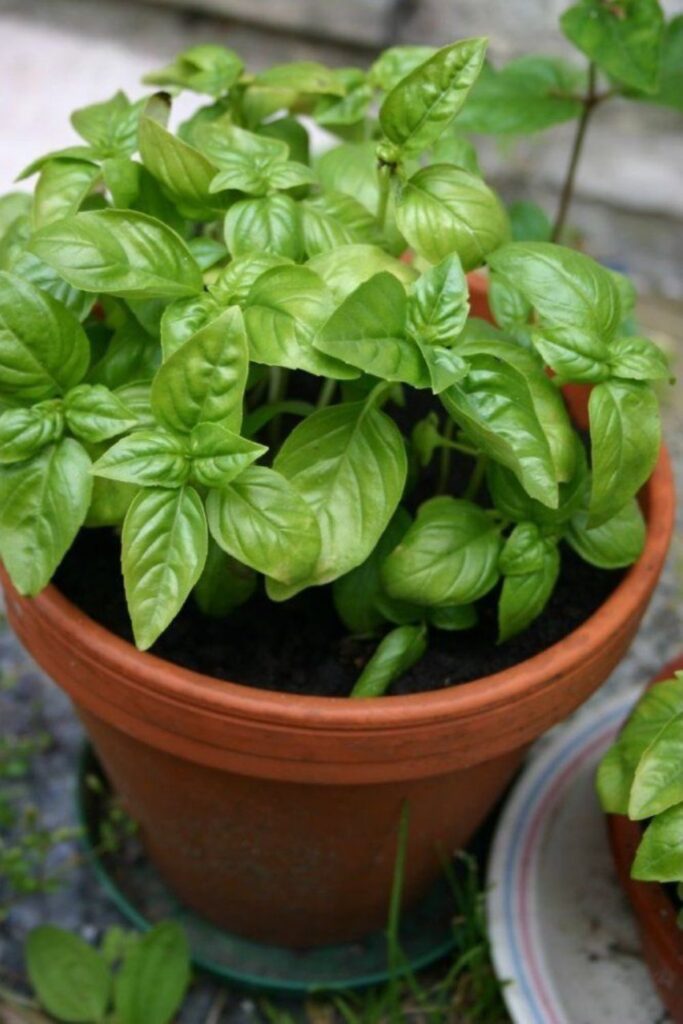
Basil is more than just a kitchen herb—it releases a strong scent that mosquitoes find overwhelming. Especially effective varieties like lemon basil help deter insects when grown in pots near kitchen windows, doorways, or outdoor dining areas.
It thrives best in warm, sunny locations like kitchen windowsills or patios. Basil should be stored in a warm indoor space if temperatures drop, as it is sensitive to cold and will wilt quickly in chilly conditions.
5. Mint
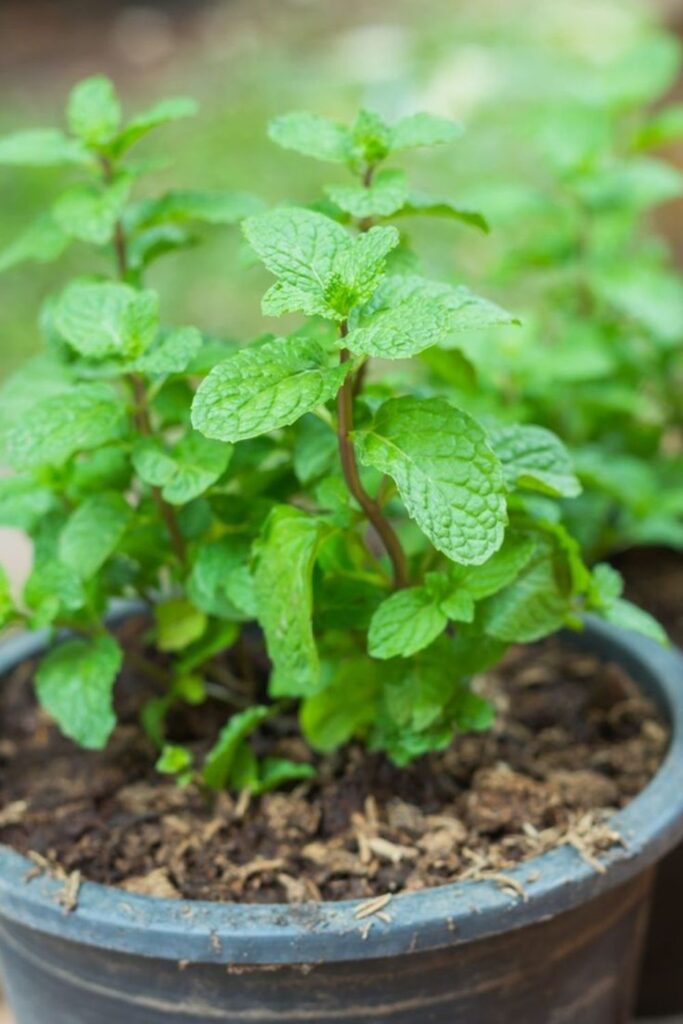
Mint has a sharp, refreshing aroma caused by menthol compounds that naturally repel mosquitoes. It grows quickly and spreads easily, making it ideal for containers on balconies or near entry points where insect control is needed most.
Best kept in partial sun to shaded areas, preferably in pots to control its invasive growth. Mint should be stored in containers and kept indoors or in shaded outdoor areas if the weather becomes too hot or dry.
6. Lemongrass
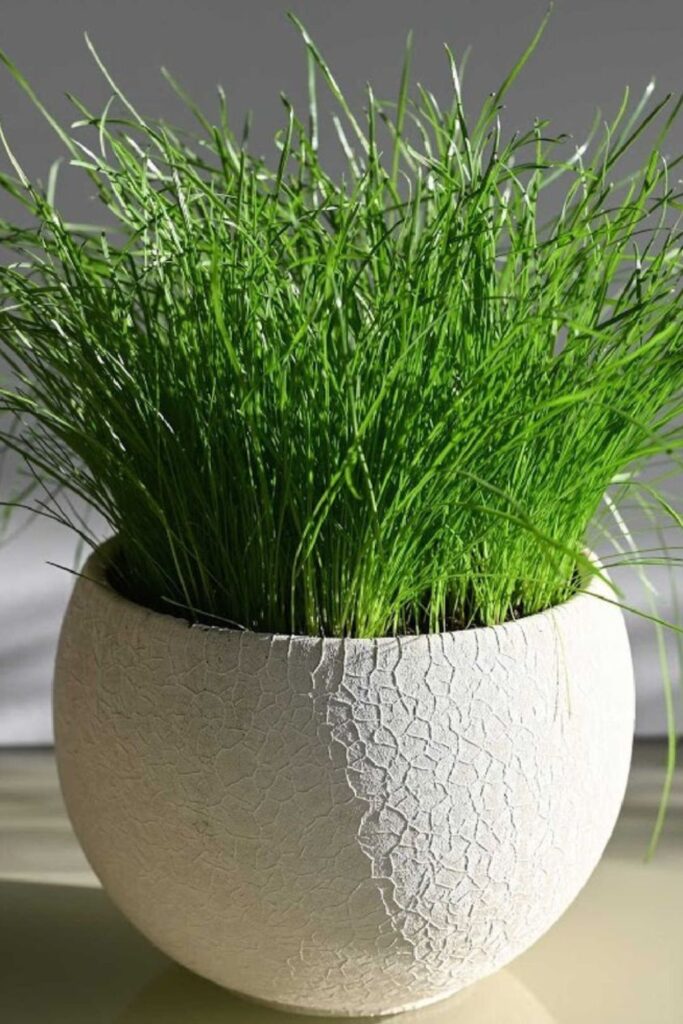
Lemongrass contains citronella-like compounds that help mask scents mosquitoes use to locate humans. Its tall, grassy appearance makes it perfect for borders or large pots placed around outdoor living spaces for a natural protective barrier.
It should be placed in full sun and warm environments, ideally outdoors in large containers or garden beds. During colder months, it must be brought indoors or stored in a greenhouse as it cannot survive frost.
7. Catnip
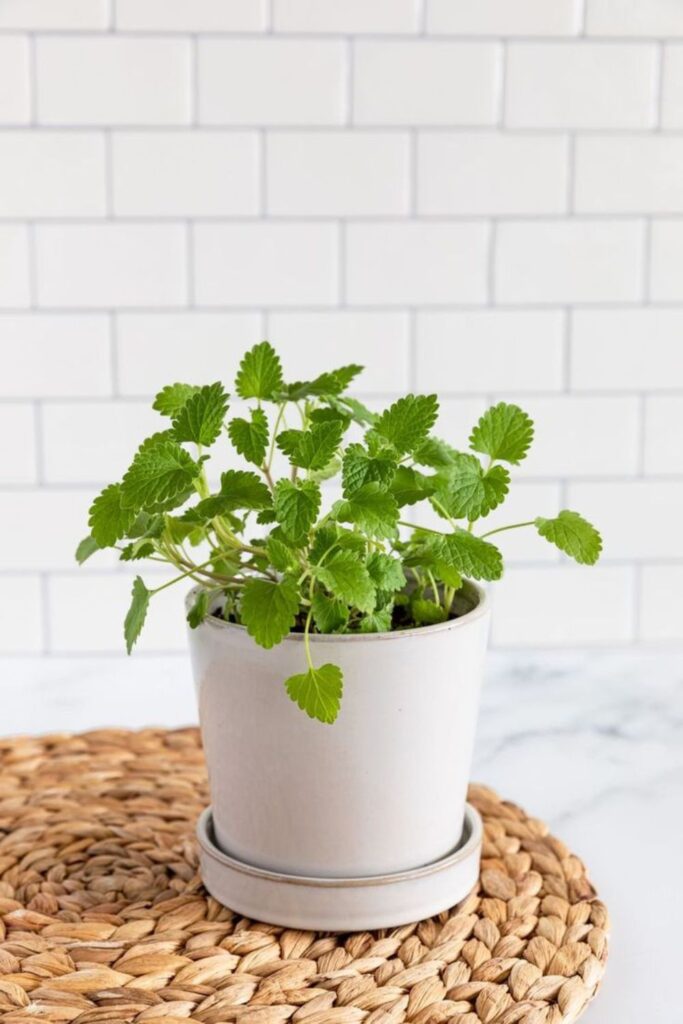
Catnip contains nepetalactone, a compound that studies have shown can be highly irritating to mosquitoes. While cats may love it, mosquitoes tend to avoid it, making it a surprisingly powerful plant for natural insect control in gardens.
Best grown outdoors in sunny areas with well-drained soil. It can be stored in pots and moved indoors if needed, but it generally thrives better outside where it has space to grow freely.
8. Lemon Balm
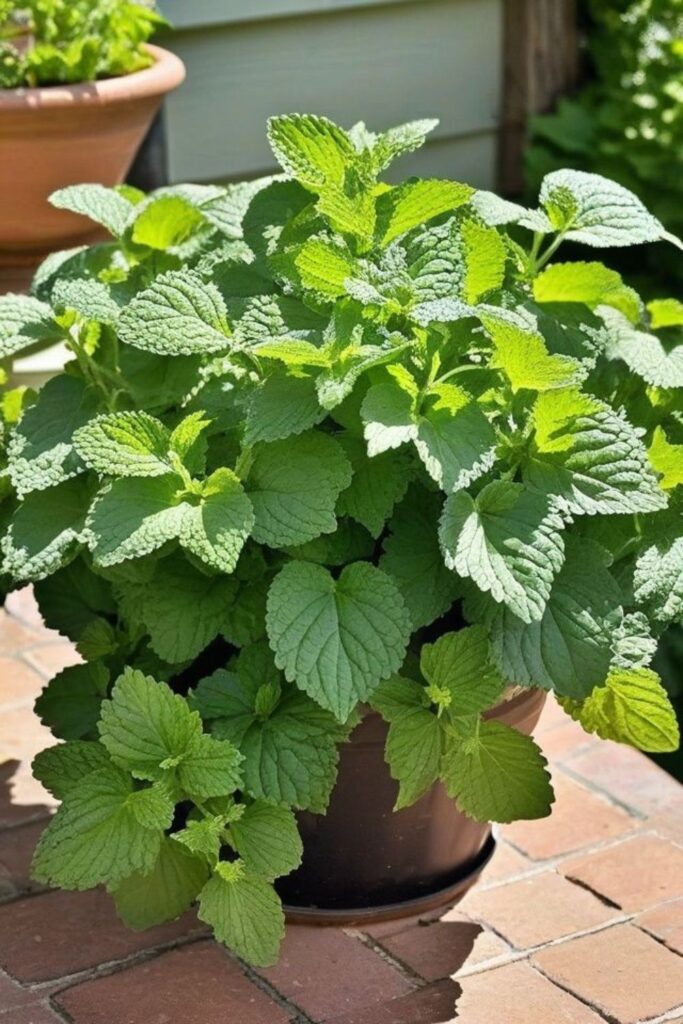
A member of the mint family, lemon balm produces a strong citrus aroma that helps deter mosquitoes. It grows easily in most climates and works well in small garden beds or containers placed near windows and patios.
It grows best in partial shade to full sun and should be kept in containers if you want to control its spread. Store it in a cool, shaded indoor area if temperatures become extreme.
9. Marigolds
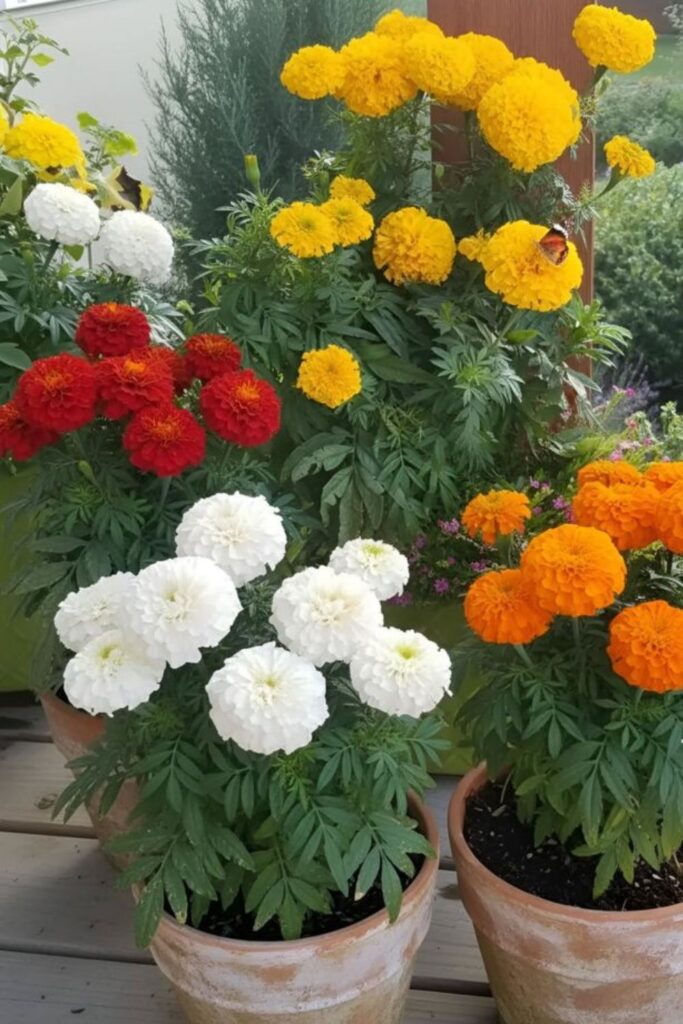
Marigolds contain compounds like pyrethrum that are commonly used in natural insect repellents. Their bright flowers make them ideal for garden borders while also helping reduce mosquito and other insect presence in outdoor areas.
They should be placed in full sun areas like garden edges, flower beds, or balcony pots. Marigolds are seasonal, so they should be replanted yearly or brought indoors in pots if you want to extend their lifespan.
10. Eucalyptus
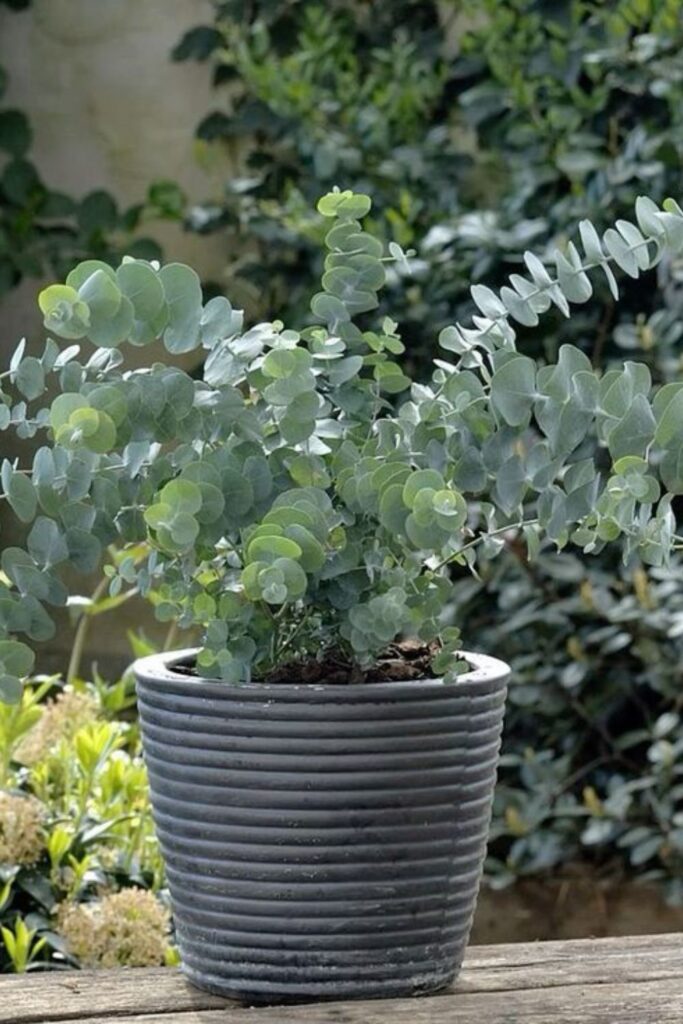
Eucalyptus leaves contain strong aromatic oils that help mask human scent and deter mosquitoes. While best known for oil extraction, the plant itself can be grown in warm climates to support natural pest control in outdoor spaces.
It grows best outdoors in full sun with plenty of space. In colder climates, it should be stored indoors in a large pot and kept in a bright, well-ventilated area away from extreme cold.
11. Thyme
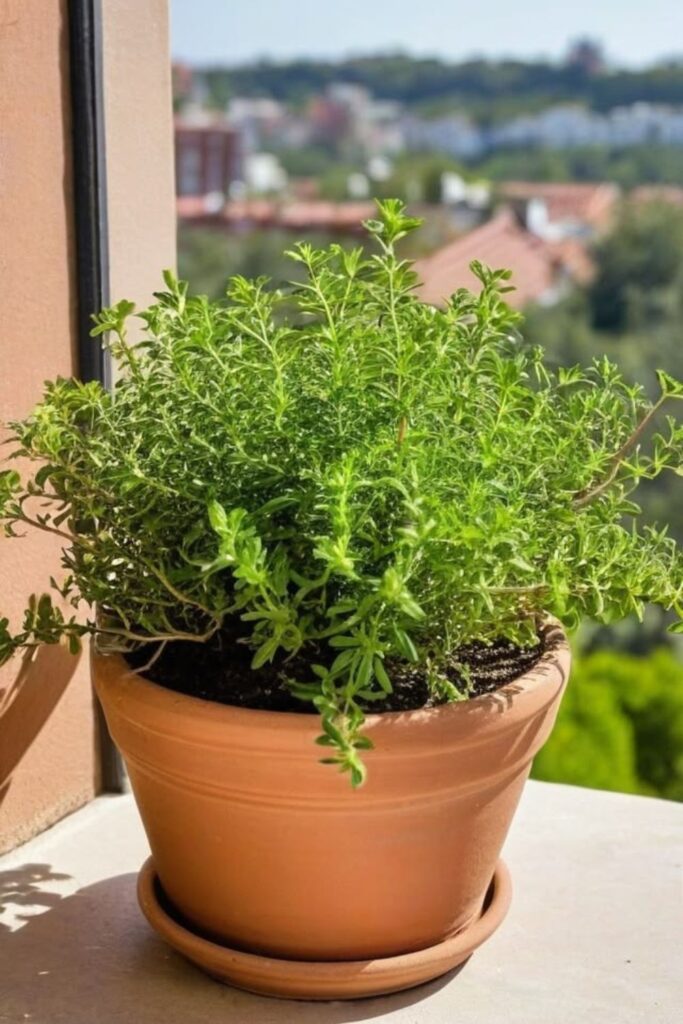
Thyme produces a pungent aroma rich in thymol, a compound that helps repel mosquitoes and other insects. It’s a low-maintenance herb that thrives in sunny, dry areas and works well in garden edges or herb beds.
Best kept in full sun with dry, well-drained soil, either in garden beds or small pots. It should be stored in a dry indoor space if needed, but it generally prefers to stay outdoors where it can get plenty of light.
12. Sage (Salvia officinalis)
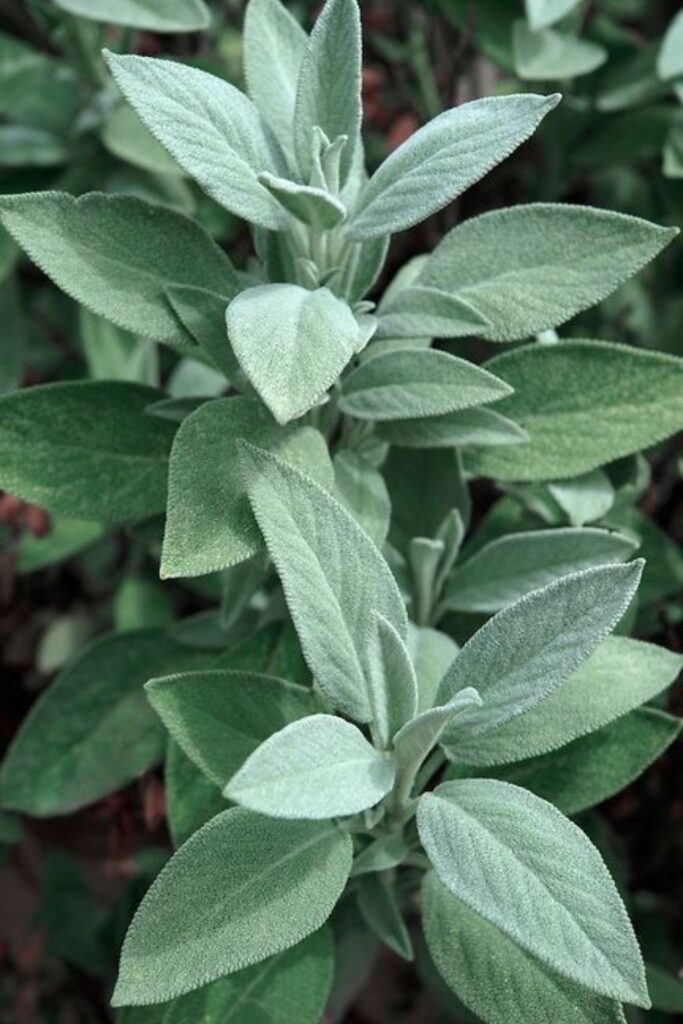
Sage is a strong aromatic herb that helps repel mosquitoes due to its natural oils and pungent scent. When the leaves are disturbed or burned, the smell becomes even more effective at keeping mosquitoes away, which is why it’s often used in natural outdoor repellents.
Keep sage in a pot near a bright window where it can get plenty of sunlight. It prefers dry, well-drained soil and should not be overwatered. Store it indoors in a warm, well-lit area, and for stronger effect, occasionally rub or crush the leaves to release more of its scent.



You May Also Like

7 Foolproof Ways to Accomplish ALL Your Goals This Year

18 Cute Decorative Pillows That Transform Any Living Space