17 Fragrant Plants That Add A Lovely Scent to Your Home
Imagine walking through your front door and being greeted by the sweet scent of jasmine, the crisp aroma of eucalyptus, or the bright, energizing fragrance of citrus blossoms. While candles and sprays offer a temporary fix, nothing matches the clean, continuous perfume of live greenery. Bringing aromatic plants indoors does more than just mask odors— it purifies the air while transforming your living space and elevating your daily mood.
Whether you want to create a calming oasis in your bedroom or a vibrant, welcoming atmosphere in your entryway, the right plant can completely change how your home feels. Here are 17 fantastic fragrant plants that will add a lovely, natural scent to your home.
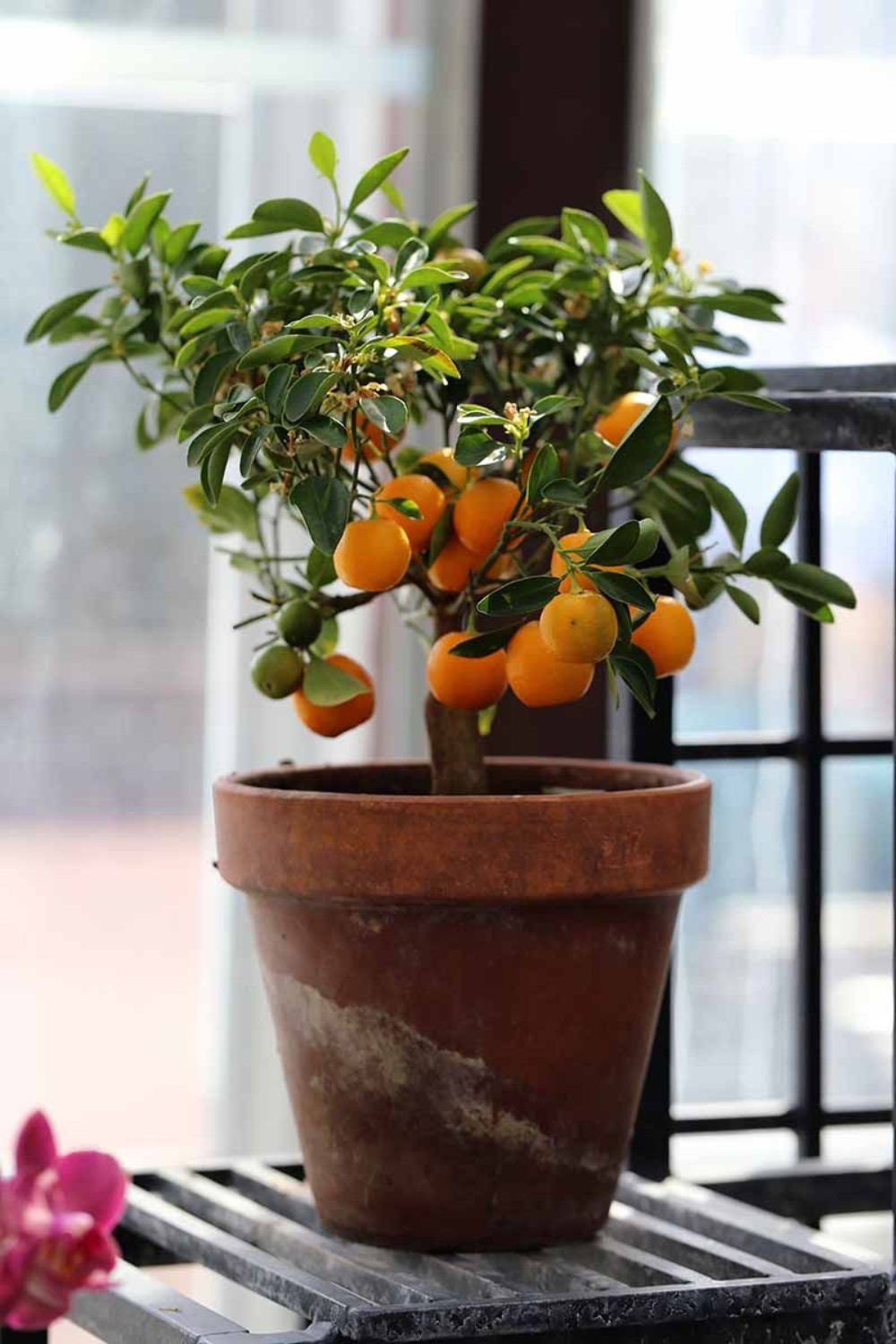
1. Citrus (Citrus spp.)
- Light: Bright direct sunlight, 6–8 hours daily.
- Water: Deeply when top two inches of soil dry.
- Soil: Well-draining, acidic citrus potting mix.
- Temperature: Warm rooms 65°F–85°F (18°C–29°C). Keep away from drafts.
Bring the sunshine indoors with a dwarf citrus tree that fills your room with the sweet, energizing aroma of fresh blossoms.
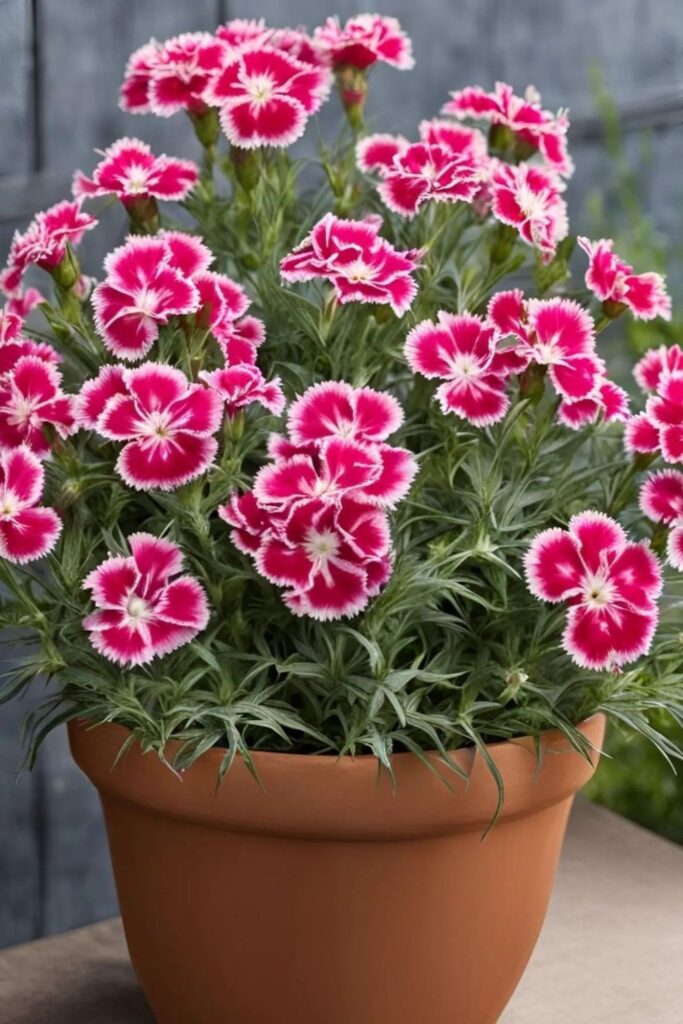
2. Dianthus (Dianthus spp.)
- Light: Full sun to partial afternoon shade.
- Water: Weekly, allowing soil to dry slightly between waterings.
- Soil: Alkaline, loose, sandy, or loamy soil.
- Temperature: Cool to moderate temperatures, 50°F–72°F (10°C–22°C).
Also known as “pinks,” these charming blooms offer a nostalgic, spicy fragrance reminiscent of cloves and cinnamon.
3. Eucalyptus (Eucalyptus spp.)
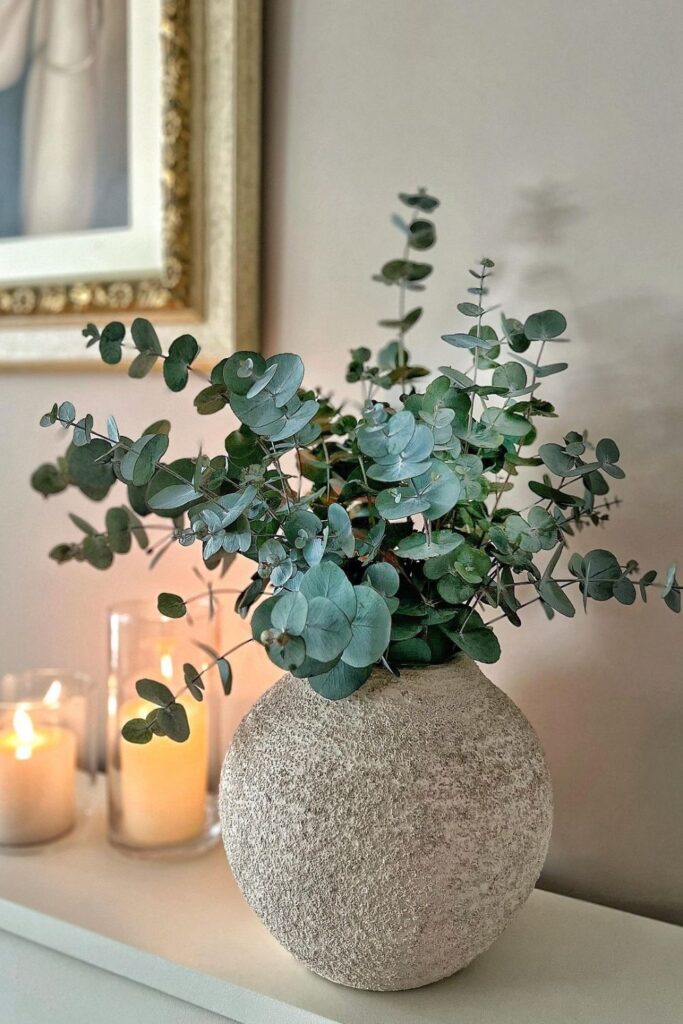
- Light: Full, intense direct sunlight.
- Water: Keep consistently moist, but never soggy or waterlogged.
- Soil: Rich, well-drained, slightly acidic soil.
- Temperature: Average room temperatures, 59°F–75°F (15°C–24°C).
Run your fingers through the silver-blue leaves to release a crisp, spa-like herbal scent that instantly clears the mind.
4. Freesia (Freesia refracta)
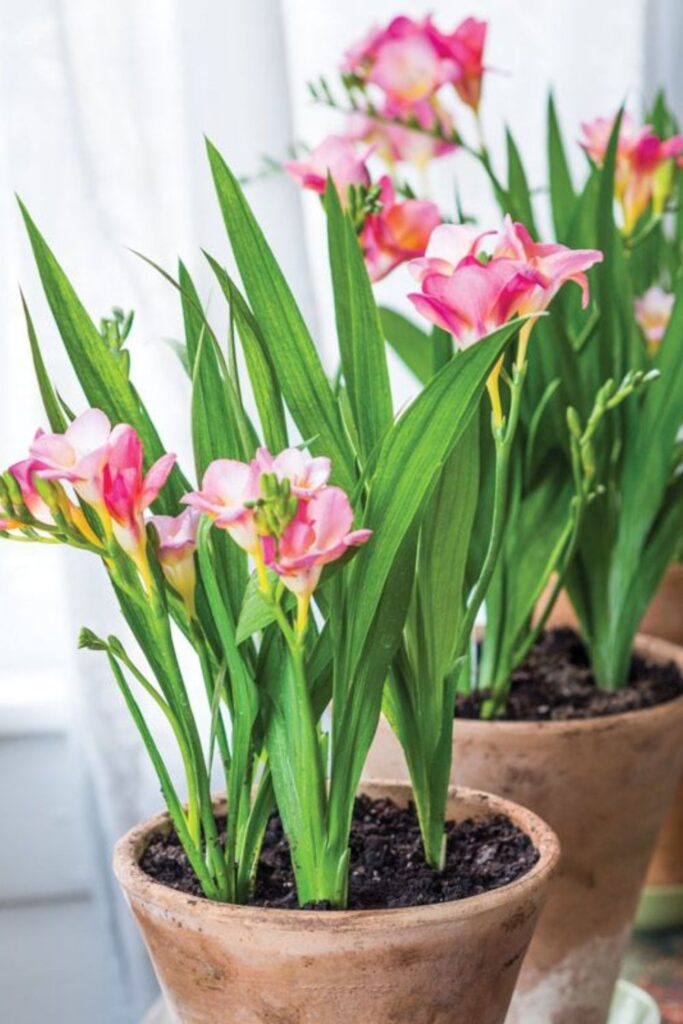
- Light: Bright, indirect light or filtered morning sun.
- Water: Keep soil moist during active growth and blooming.
- Soil: Light, well-draining peat-based mix.
- Temperature: Cool nights 50°F–55°F (10°C–13°C) and mild days 59°F–70°F (15°C–21°C)
These elegant, trumpet-shaped flowers radiate an intensely sweet, fruity perfume that can easily scent an entire room.
5. Gardenia (Gardenia jasminoides)
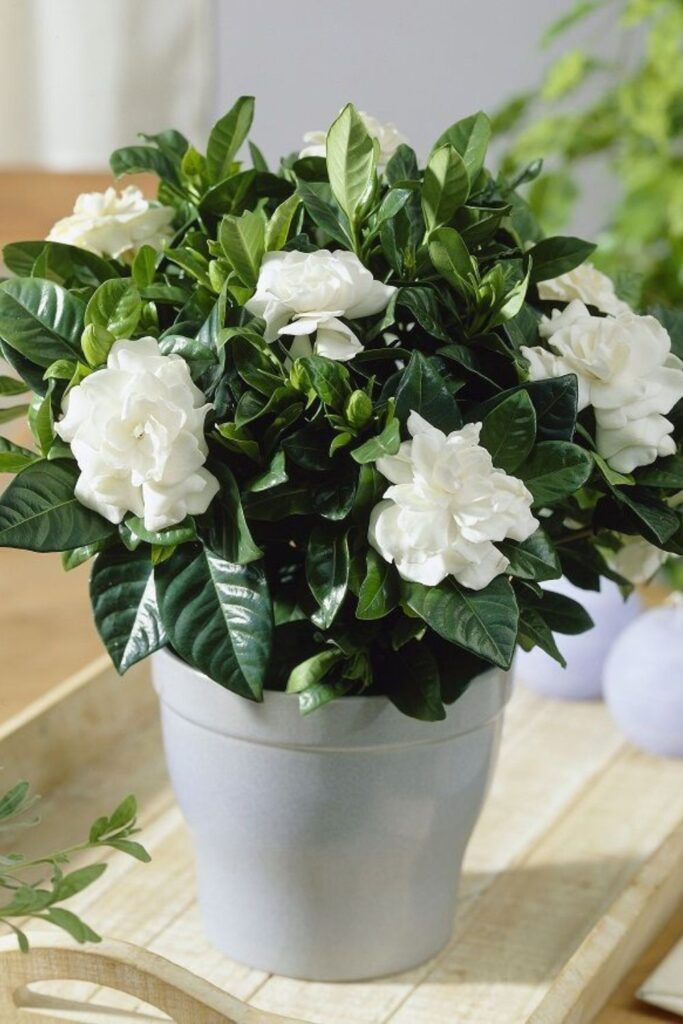
- Light: Bright, indirect sunlight for at least 6 hours.
- Water: Consistently moist soil. Requires high humidity (use a mister).
- Soil: Acidic, organic-rich, well-draining soil.
- Temperature: Warm days 70°F–75°F (21°C–24°C) and cooler nights 59°F–64°F (15°C–18°C).
While they require a bit of extra pampering, the intoxicating, creamy floral scent of a blooming gardenia is unmatched.
6. Hoya Carnosa
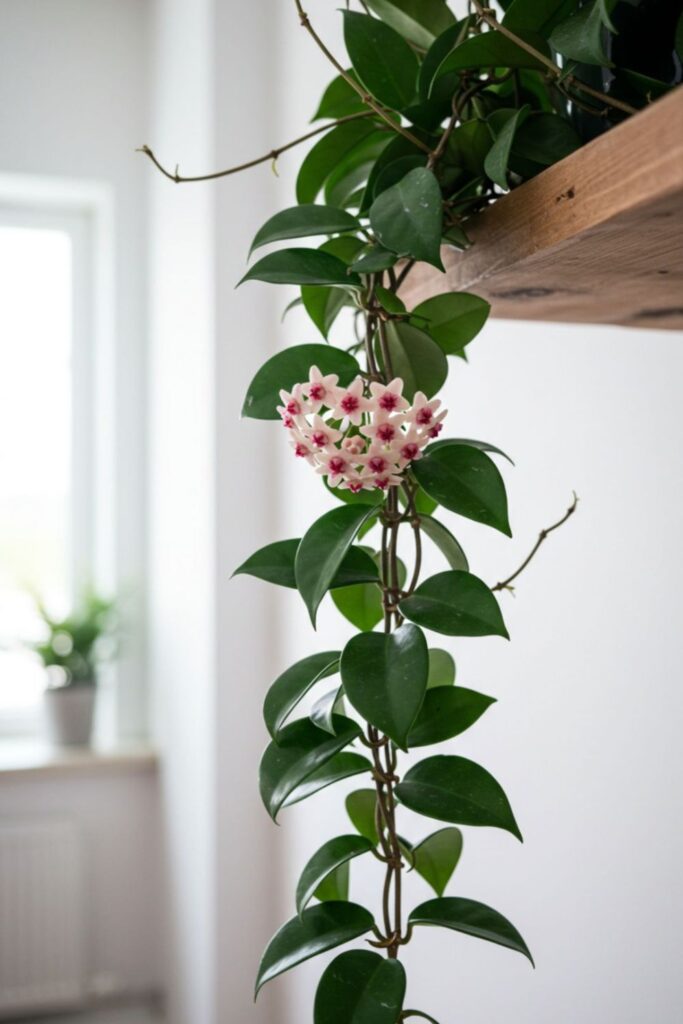
- Light: Bright, indirect sunlight. Can handle some morning sun.
- Water: Allow soil to dry completely out between waterings.
- Soil: Airy, well-draining orchid bark and perlite mix.
- Temperature: Average indoor warmth, 59°F–80°F (15°C–27°C).
This easy-going porcelain flower surprises growers in the evening with clusters of blooms that smell exactly like warm chocolate or vanilla.
7. Jasmin
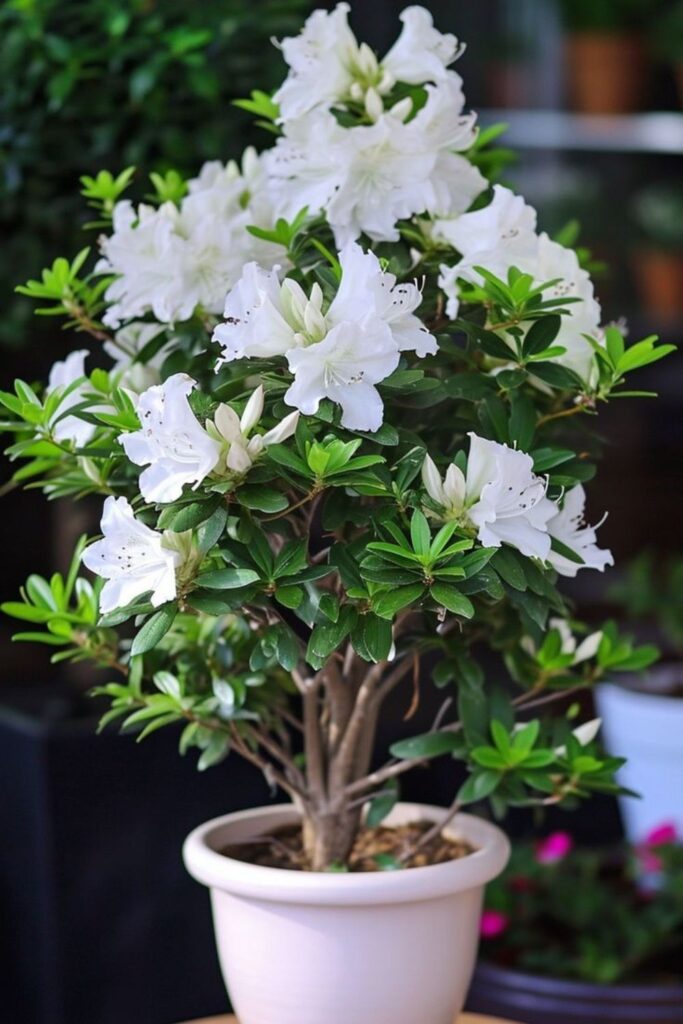
- Light: Very bright light, including a few hours of direct sun.
- Water: Keep evenly moist during the spring and summer.
- Soil: Standard well-draining potting soil.
- Temperature: Cool fall/winter temperatures help trigger the fragrant blooms.
A classic choice for romantic evening fragrance, indoor jasmine vines offer a rich, exotic sweetness that intensifies after dark.
8. Lavender
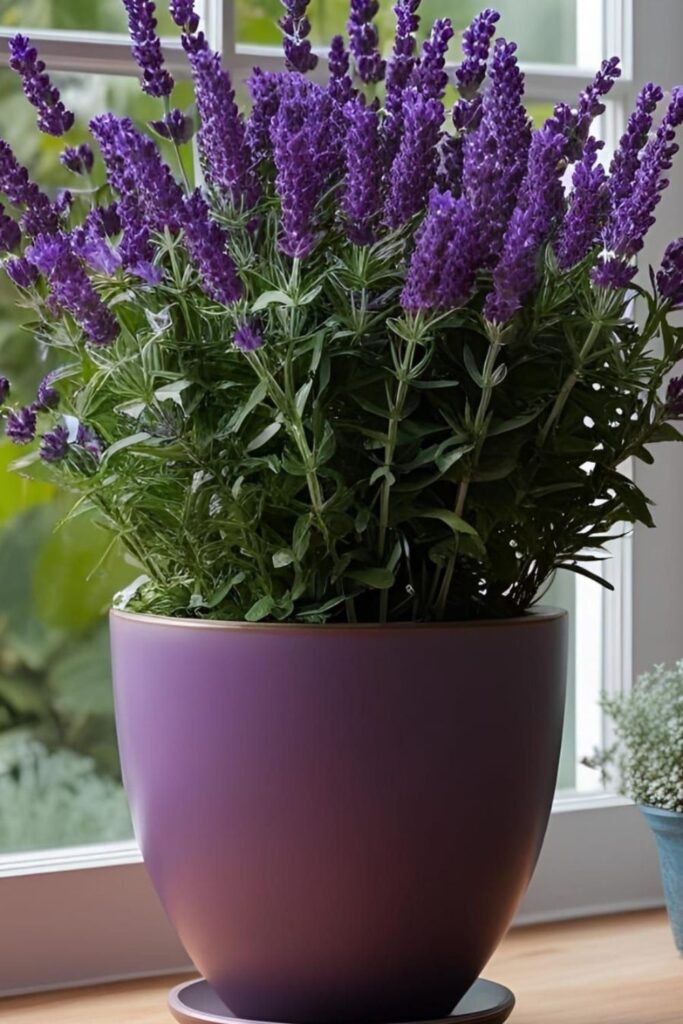
- Light: Maximum direct sunlight, ideally a south-facing window.
- Water: Sparse watering; allow the pot to dry out completely.
- Soil: Lean, sandy, sharply-draining alkaline soil.
- Temperature: Prefers cooler indoor temperatures and low humidity.
Place this timeless herb on your bedside table and gently brush its foliage to release a soothing aroma that promotes deep relaxation
9. Lemon Balm (Melissa Officinalis)
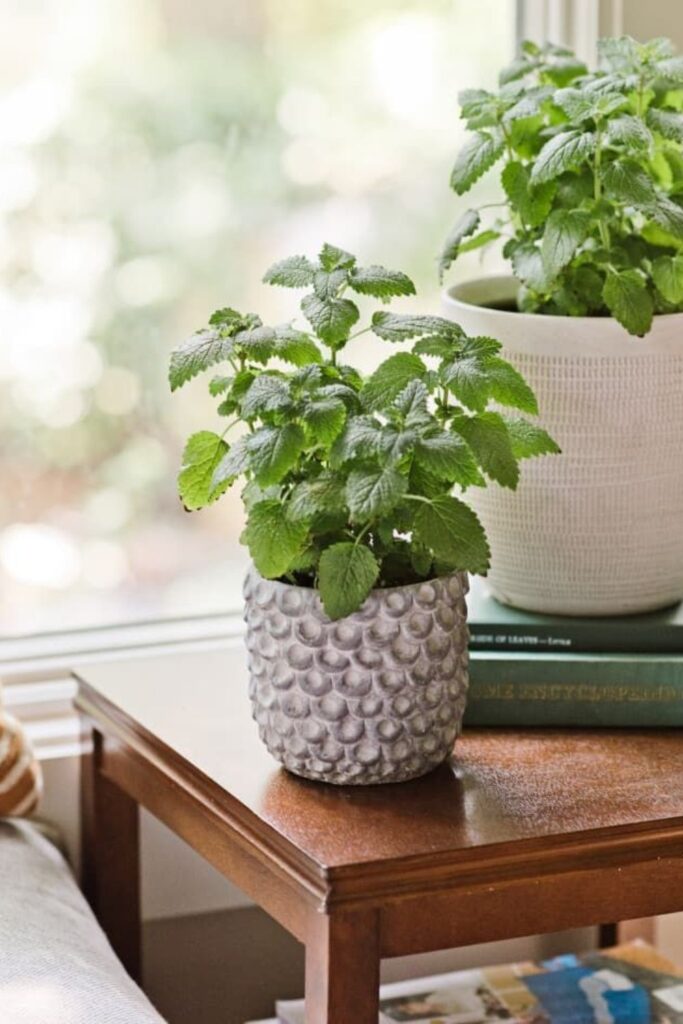
- Light: Bright, indirect light to full sun.
- Water: Water thoroughly whenever the top inch of soil feels dry.
- Soil: Well-drained, average potting mix.
- Temperature: Thrives in standard household temperatures, 59°F–70°F (15°C–21°C).
This quick-growing member of the mint family fills the air with a bright, zesty lemon fragrance whenever its leaves are disturbed.
10. Mint
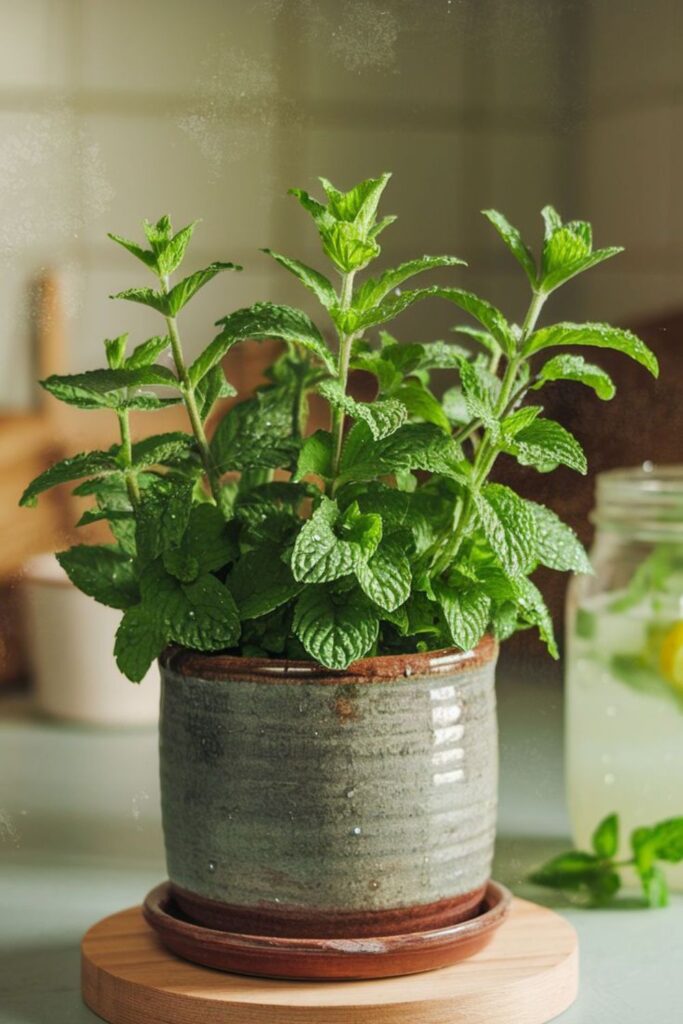
- Light: Partial shade to bright, indirect sunlight.
- Water: Keep soil consistently damp, as mint loves moisture.
- Soil: Rich, moist, well-draining soil.
- Temperature: Adaptable, but prefers mild temperatures, 55°F–70°F (13°C–21°C).
Perfect for kitchen windowsills, a pot of fresh mint delivers a clean, revitalizing burst of fragrance right where you cook.
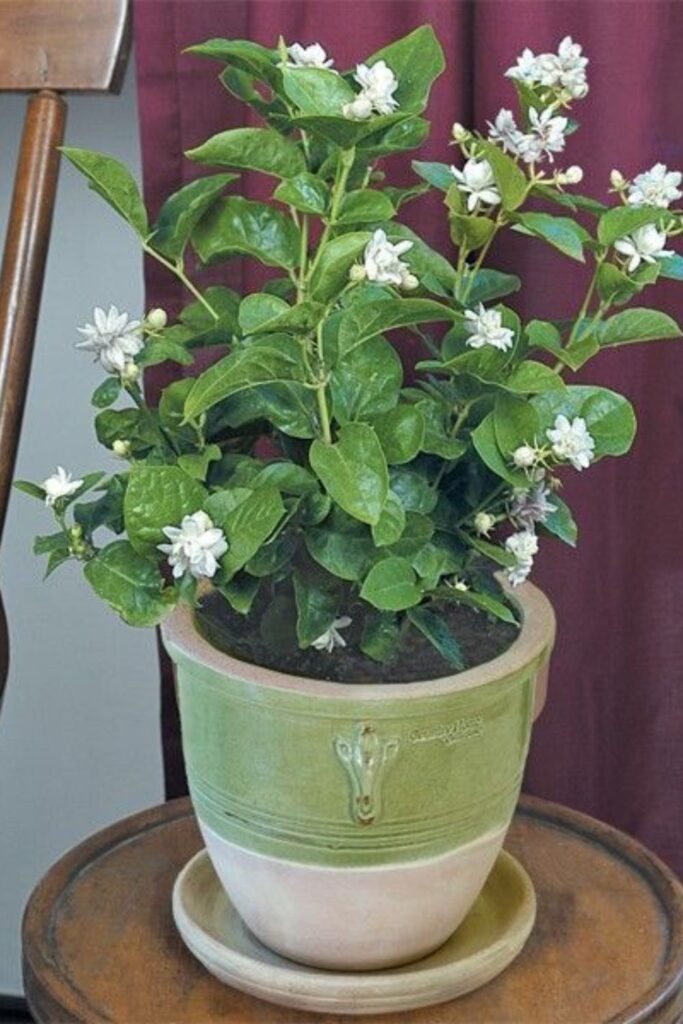
11. Murraya Paniculata
- Light: Bright, filtered sunlight or partial direct sun.
- Water: Water when the top inch of soil dries out. Do not overwater.
- Soil: Fertile, well-draining, loamy soil.
- Temperature: Warm conditions; protect from temperatures below 50°F (10°C).
Commonly known as Orange Jessamine, this lush shrub produces tiny white flowers with a powerful, sweet citrus-honey scent.
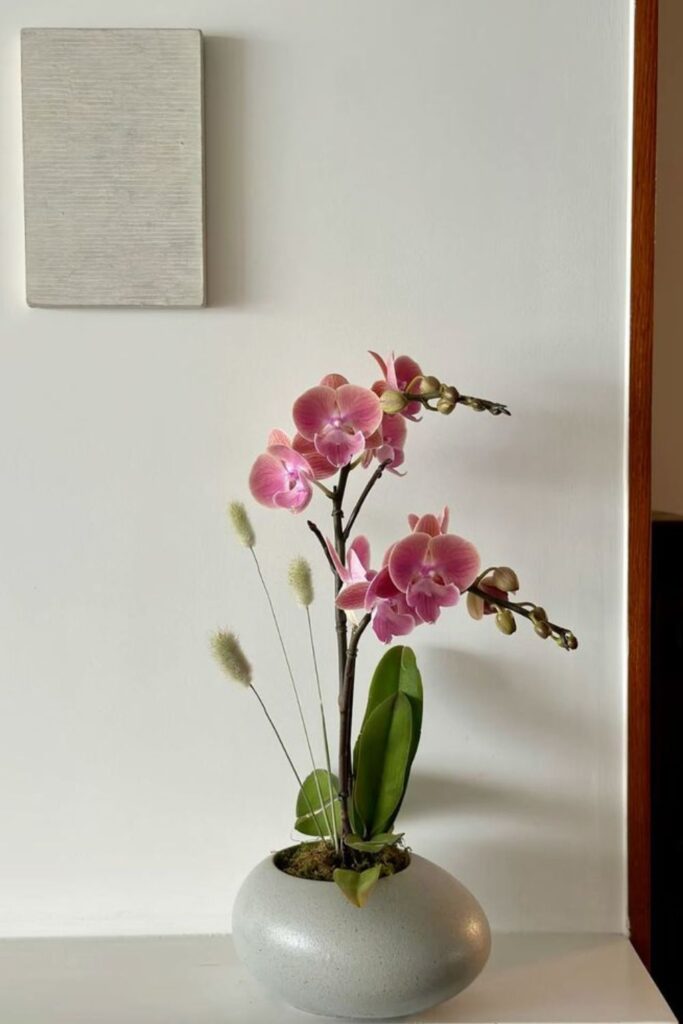
12. Orchid (Orchidaceae)
- Light: Bright, indirect, filtered sunlight. Avoid harsh direct sun.
- Water: Water thoroughly, then allow bark mix to approach dryness.
- Soil: Specialized, loose orchid bark or sphagnum moss.
- Temperature: Warm daytime temperatures with a slight drop at night.
Certain fragrant orchid varieties reward indoor gardeners with delicate, sophisticated notes ranging from sweet vanilla to spicy citrus.
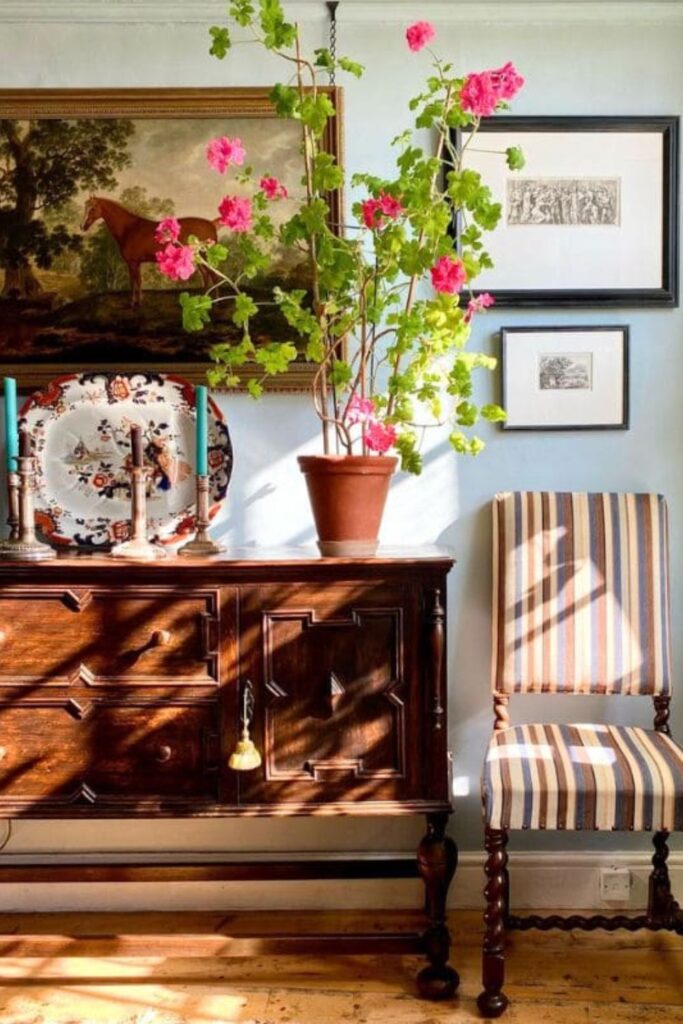
13. Pelargonium Graveolens
- Light: Bright, direct sunlight for several hours a day.
- Water: Allow the soil to dry out moderately between waterings.
- Soil: Light, fast-draining potting mixture.
- Temperature: Warm days and cool nights; tolerates dry indoor air.
Often called the Scented Geranium, this plant mimics the elegant perfume of real roses through its soft, velvet-textured leaves.
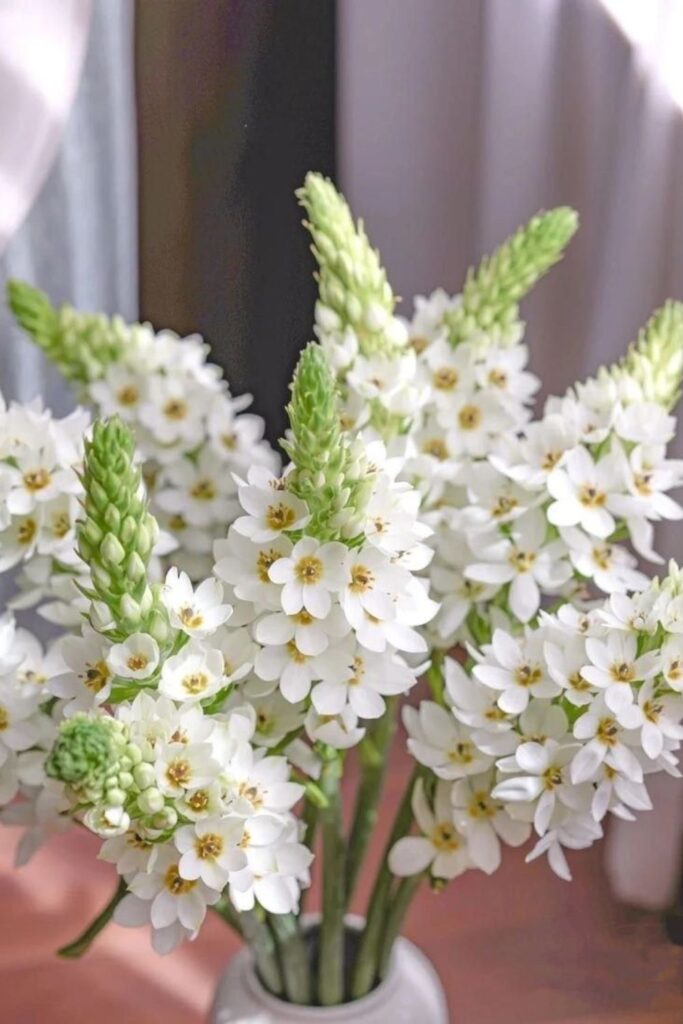
14. Polianthes Tuberosa
- Light: Full sun to very bright indirect light.
- Water: Keep soil moist during growth, but avoid soggy roots.
- Soil: Rich, well-draining potting media.
- Temperature: Loves heat; keep in a warm room above 70°F (21°C).
Cultivated for luxury perfumes, Tuberose blossoms carry an incredibly heavy, opulent, and seductive floral scent that commands attention.
15. Rosa (‘RosAroma’)
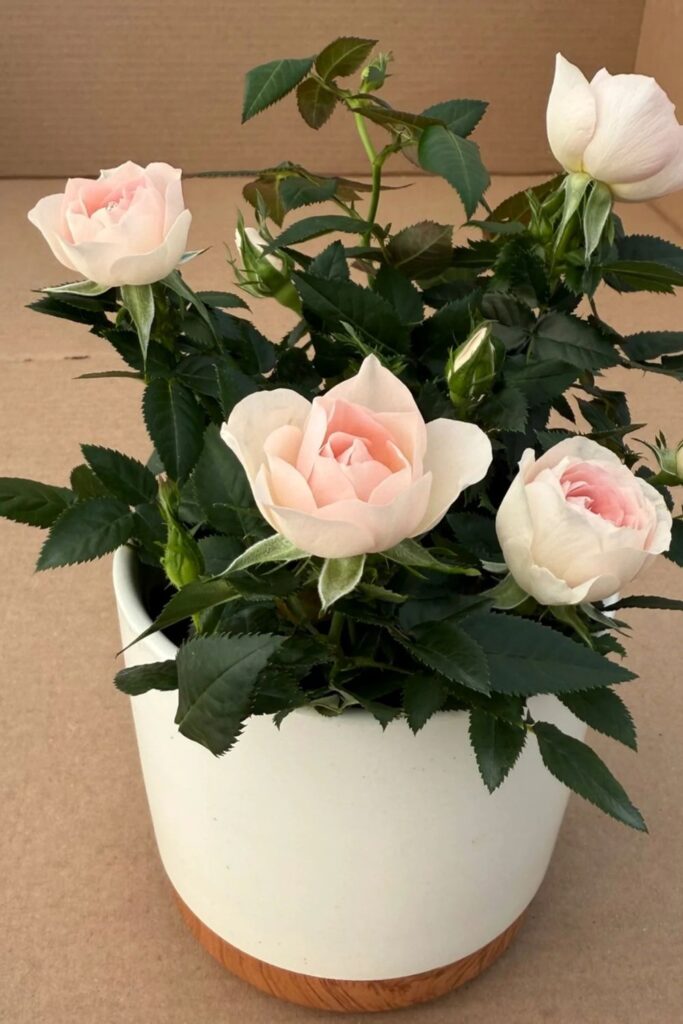
- Light: Highly intense direct sunlight, 6+ hours minimum.
- Water: Deep watering when the surface soil feels dry.
- Soil: Rich, fertile, well-drained soil with organic matter.
- Temperature: Moderate indoor temperatures with excellent air circulation.
Specifically bred for indoor life, the ‘RosAroma’ miniature rose brings the timeless, sweet elegance of a cottage garden inside.
16. Thyme (Thymus Vulgaris)
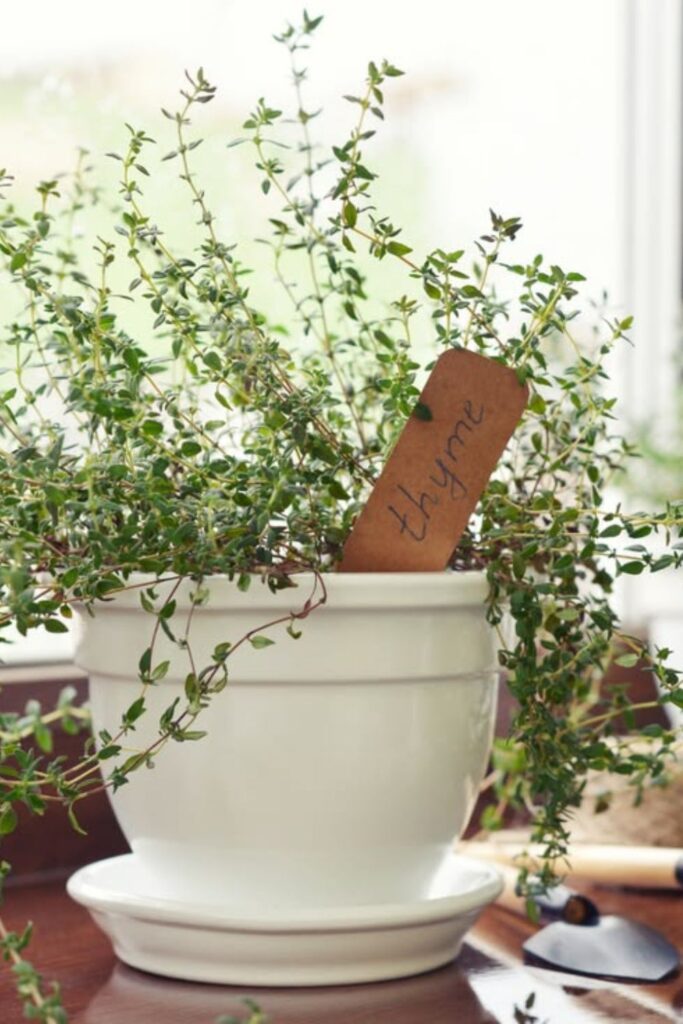
- Light: Full sun; place in your sunniest window.
- Water: Drought-tolerant; water only when soil is completely dry.
- Soil: Sandy, rocky, fast-draining potting soil.
- Temperature: Average indoor temperatures; avoids high humidity.
This hardy, low-profile herb emits a savory, comforting, and earthy fragrance that grounds your kitchen or living space.
17. Viola Odorata
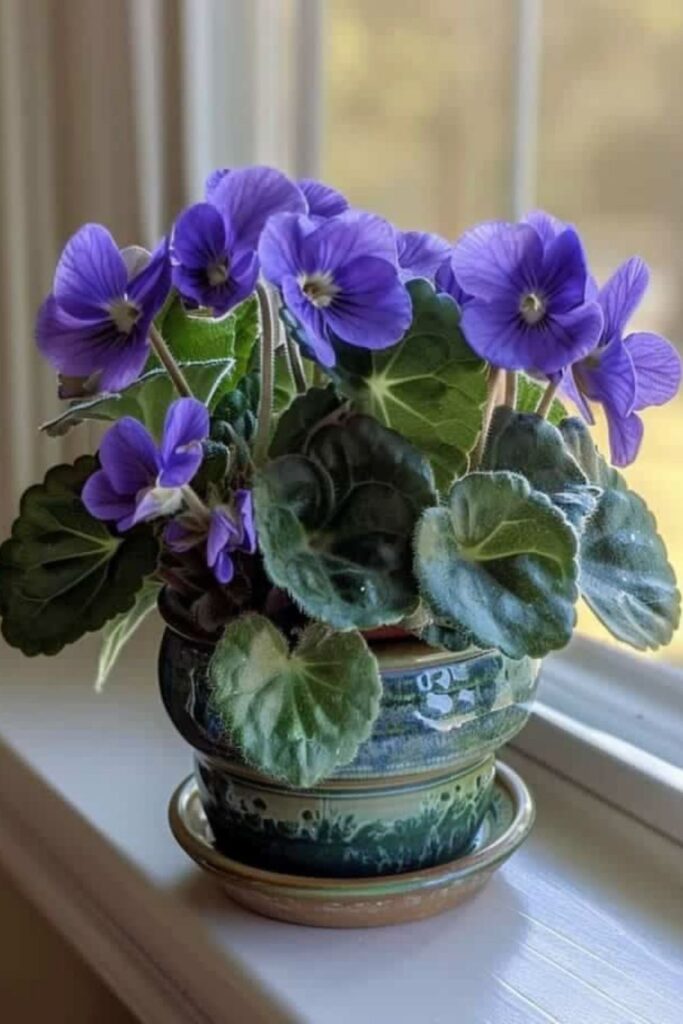
- Light: Partial shade or filtered morning light.
- Water: Keep soil evenly moist but never waterlogged.
- Soil: Rich, moist, humus-rich soil.
- Temperature: Cool indoor spaces; struggles in high heat.
The Sweet Violet offers a delicate, powdery, and elusive fragrance that has been cherished by perfume makers for centuries.


You May Also Like

30 Birthday Cake Ideas for the Ultimate Sweet 16

12 Memorial Day Party Ideas: Classic Ways to Celebrate the Holiday